


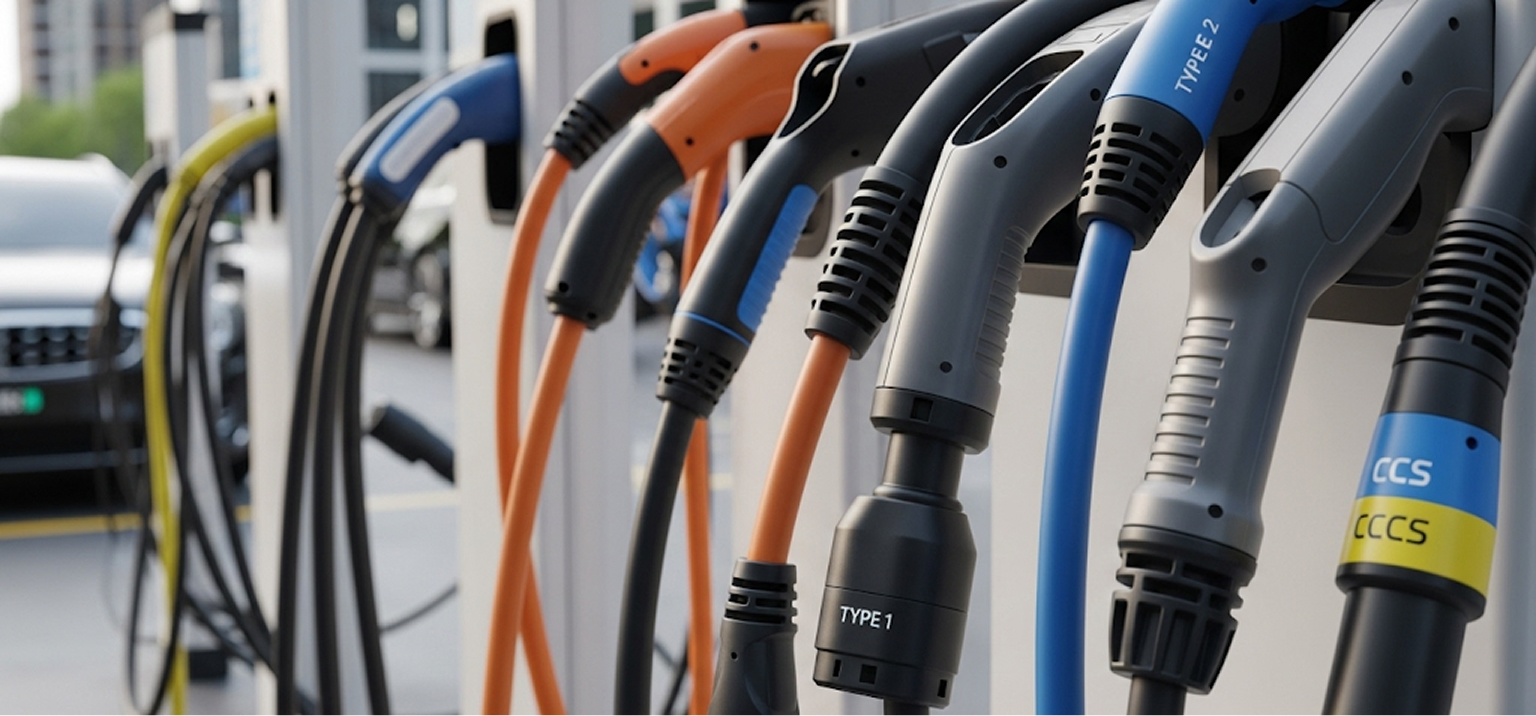
Electric vehicle charging cables are one of the most important accessories for any EV owner or electrical installer. Picking the wrong one can mean slower charging, mismatched connectors, or even safety concerns. This guide will help you confidently choose the right EV charging cable for your needs, based on type, speed, and compatibility.
Table of Contents
- What Are Electric Vehicle Charging Cables
- EV Charging Cable Types Explained
- Choosing the Best EV Charging Cable
- Connector Types and Compatibility
- Tips for Safe and Efficient Use
- Frequently Asked Questions
- Conclusion
What Are Electric Vehicle Charging Cables
Electric vehicle charging cables transfer electricity from the power source to your EV’s battery. Depending on where and how you charge, the right cable will change. Professionals in the electrical trade know that one size does not fit all, and selecting the wrong cable can impact performance, efficiency, and long-term reliability.
EV Charging Cable Types Explained
Understanding the main EV charging cable types will make it easier to recommend or choose the correct option.
Mode 2 Cables
These plug directly into a standard socket using an in-cable control box.
- Power output is usually limited to 3 kilowatts
- Often included with the vehicle for emergency charging
- Slower charging times make them less suitable for daily use
Mode 3 Cables
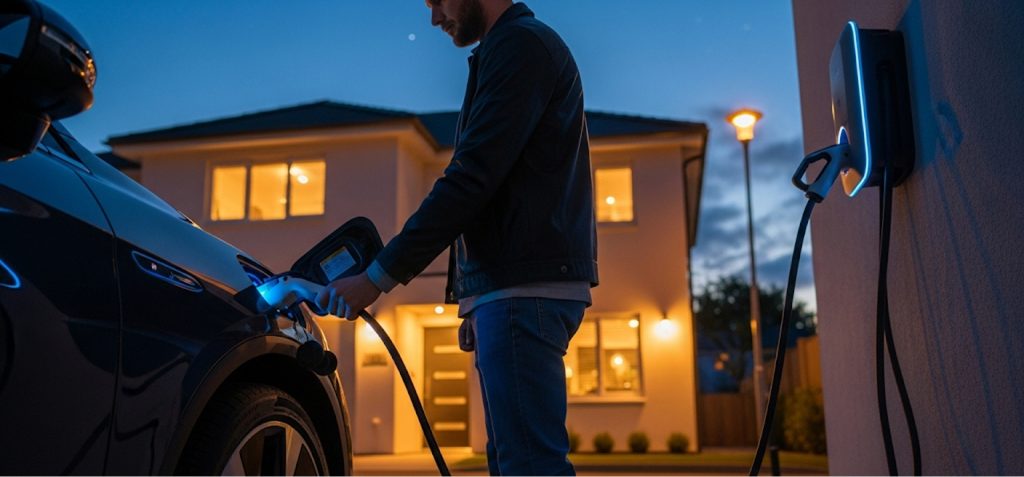
These are the most common type used with dedicated wall chargers and public AC stations.
- Typically rated for 7 kilowatts to 22 kilowatts
- Compatible with most EVs in the UK
- Offer safer, faster charging with built-in communication between vehicle and station
For long-term reliability and everyday charging, Mode 3 is usually considered the best EV charging cable solution.
Choosing the Best EV Charging Cable
Several factors affect which electric vehicle charging cable will work best for a given setup.
1. Cable Length
Choose a cable that is long enough to comfortably reach your vehicle. Popular sizes range from 3 metres to 10 metres. A longer cable provides flexibility but can be heavier and more difficult to store.
2. Power Rating
Cables are rated by amperage, which impacts charging speed.
- A 16 amp cable supports up to 3.7 kilowatts
- A 32 amp single-phase cable supports up to 7.4 kilowatts
- A 32 amp three-phase cable can support up to 22 kilowatts
Match the cable’s power rating with the vehicle and charge point. Using a higher-rated cable on a lower-rated system is fine but not the other way around.
3. Connector Type
Most EVs in the UK use Type 2 connectors. Some older models, especially imported vehicles, use Type 1.
- Type 1: Mostly used by early Japanese or Korean EVs
- Type 2: Standard in the UK and Europe
If in doubt, Type 2 to Type 2 Mode 3 cables are a safe and future-proof choice.
Connector Types and Compatibility
Here’s a quick reference showing which connector works with which EV brand:
| EV Brand | Connector Type |
| Tesla | Type 2 |
| Nissan Leaf (early models) | Type 1 |
| BMW, Audi, VW | Type 2 |
| Kia, Hyundai | Type 2 |
Installers and specifiers should always check the vehicle port before ordering or recommending a cable.
Tips for Safe and Efficient Use
To get the best performance out of electric vehicle charging cables, consider the following advice:
- Store the cable in a clean, dry bag or box when not in use
- Never twist or over-bend the cable during use
- Keep connectors free from dirt and moisture
- Avoid placing the cable in areas with heavy foot or vehicle traffic
- Periodically inspect the cable for signs of wear or heat damage
For professional setups, installing cable management hooks or reels can help clients maintain the cable in better condition over time.
Frequently Asked Questions
1. Can I use the same EV charging cable at home and in public
Yes. Most Mode 3 cables with Type 2 connectors work at home wallboxes and public charging stations.
2. What length is best for an EV charging cable
Five metres is the most popular, but longer cables up to ten metres are ideal if the charging point is not close to the parking area.
3. How do I know which connector my car needs
Check your vehicle’s user manual or the label near the charging port. Most newer models in the UK use Type 2.
4. Can I use a 32 amp cable with a 16 amp charger
Yes. A 32 amp cable will operate safely on a lower-rated system, but not the other way around.
Conclusion
The right electric vehicle charging cable ensures safe and efficient charging at home or on the go. By knowing the different EV charging cable types, power ratings, and connector styles, you can choose a cable that matches your EV and charging setup perfectly. Type 2 Mode 3 cables are the most popular choice across the UK, offering fast, reliable charging for most modern vehicles.Need help choosing the best option? Explore Batt Cables’ full range of EV charging cables and accessories for dependable performance on every charge.
