


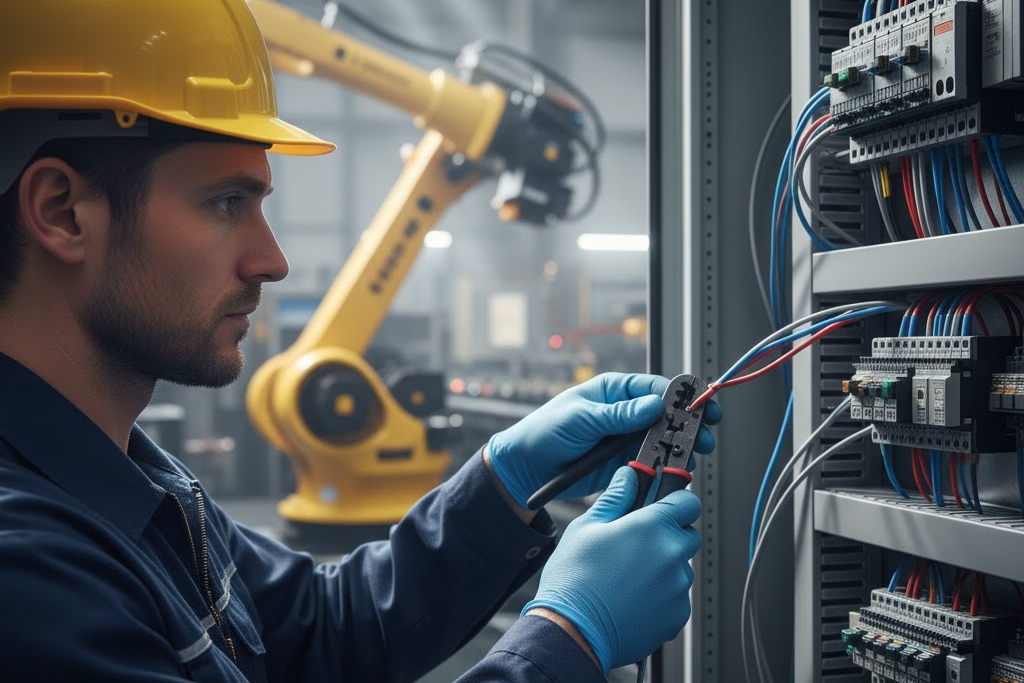
In industrial automation, choosing the right control cable can make a major difference in performance, efficiency, and cost. One cable type that has earned its place in many control systems is the yy cable. With its balance of flexibility, simplicity, and affordability, it’s a common go-to for engineers and technicians.
But what exactly makes yy cable so suitable for automation? In this article, we break down the yy cable benefits, explore when and where it excels, and guide you on how to select it with confidence.
Table of Contents
- What Is YY Cable?
- Why Use YY Cable in Industrial Automation?
- Advantages of YY Cable
- YY Cable vs CY and SY Cable
- Technical Specifications and Standards
- Key Considerations Before Choosing YY Cable
- Installation Best Practices
- Frequently Asked Questions
- Conclusion
What Is YY Cable?
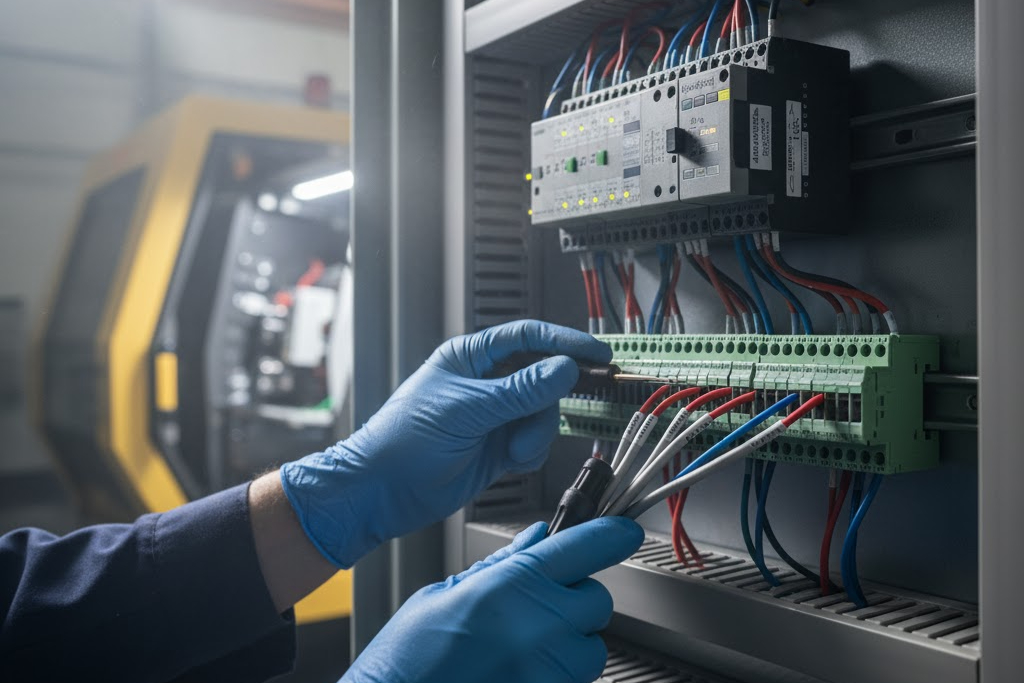
YY cable is a multicore, unscreened, PVC-insulated and sheathed control cable, primarily used in low-voltage signal and power applications. Designed for flexible use, it’s commonly found in control panels, conveyors, industrial machinery, and automation systems.
Because it lacks any form of screening, yy cable is best suited for environments with minimal electromagnetic interference (EMI). Its key appeal lies in its ease of installation, affordability, and versatile routing capability.
Why Use YY Cable in Industrial Automation?
1. Flexibility and Routing Ease
In tightly packed machinery or narrow cable trays, space is a premium. YY cable offers high flexibility, allowing engineers to route it through tight bends and compact control cabinets without compromising the cable’s integrity.
2. Cost-Effective for Control Applications
Compared to CY and SY cables, yy cable is more affordable due to its unshielded design. This makes it the ideal solution when EMI shielding is unnecessary, and cost control is a factor, particularly in high-volume installations.
3. Reliable Signal and Power Transmission
Despite its lack of shielding, yy cable performs reliably for transmitting low-voltage power and control signals. It’s ideal for use in programmable logic controllers (PLCs), motors, and sensor applications where electromagnetic noise is low.
Advantages of YY Cable
The advantages of yy cable in automation environments include:
- ✔ Highly flexible for easier installation and maintenance
- ✔ Number-coded or colour-coded cores for simplified identification
- ✔ Durable PVC sheath, resistant to abrasion and some oils
- ✔ Available in a wide range of core sizes and configurations
- ✔ Low smoke, halogen-free (LSNH) variants available for safety-critical areas
Its combination of versatility, compliance, and affordability explains why yy cable remains a staple in many industrial automation setups.
Technical Specifications and Standards
YY cable generally conforms to the following:
Voltage rating: 300/500 V (tested to 3000 V)
Temperature range:
- Fixed installation: –20 °C to +80 °C
- Flexing: –5 °C to +70 °C
Core construction: Fine-wire, Class 5 to IEC 60228
Sheath and insulation: PVC
Standards compliance:
- EN 50525-2-11
- RoHS compliant
- Some models BASEC approved
Key Considerations Before Choosing YY Cable
1. Environmental and Mechanical Limitations
YY cable is not suitable for areas exposed to heavy mechanical wear, UV radiation, or harsh chemicals. It’s also not designed for outdoor use unless routed through protective conduit or trunking.
2. Electromagnetic Interference (EMI)
Without any shielding, yy cable offers no protection from EMI. For installations near motors, transformers, or other noise-generating devices, consider CY cable for better signal integrity.
3. Compliance and Certification
While widely used, yy cable does not meet BS 7671 for fixed wiring, unless supported by a proper risk assessment. Always check for BASEC or equivalent certification to ensure compliance with UK installation standards.
Installation Best Practices
To get the best from yy cable in automation:
- Use glands that support strain relief and sealing
- Maintain the correct bend radius:
- Static: ≥6 × outer diameter
- Flexing: ≥15 × outer diameter
- Avoid tight bundling to allow for ventilation and easier maintenance
- Ensure compatibility with connectors and terminals used in the system
Frequently Asked Questions
1. Is yy cable safe for permanent installation?
Yes, if it’s used within its design limitations and backed by a formal risk assessment.
2. Can I use yy cable outdoors?
Not directly. It requires protection from UV and weathering, such as conduit or trunking.
3. Is yy cable suitable for robotics or moving applications?
Only for light, slow flexing. For repetitive motion or torsion, use continuous flex cables instead.
4. What’s the main difference between yy and cy cable?
CY cable includes a braided screen for EMI protection, while yy cable is unscreened and more flexible.
Conclusion
YY cable is a cost-effective, flexible, and easy-to-install solution in industrial automation. It is perfect for control circuits, panels, and environments with low mechanical and electrical interference.
While it may not suit every situation, its advantages are hard to beat when used in the right context. From specifying for a new control panel or upgrading legacy wiring, yy cable offers the reliability and simplicity automation engineers value.

