


CY cable is a reliable choice when you need a flexible, shielded cable that can handle electrical interference without fuss. It’s commonly found in industrial settings where clear signals are essential. In this article, we’ll explain what makes CY cable different, where it’s most useful, and how to install it properly.
Table of Contents
- What is CY Cable?
- Key Features of CY Cable
- Applications of CY Cable
- How to Install CY Cable
- Technical Specifications
- CY Cable vs Similar Types
- Choosing the Right CY Cable
- Frequently Asked Questions
- Conclusion
What is CY Cable?
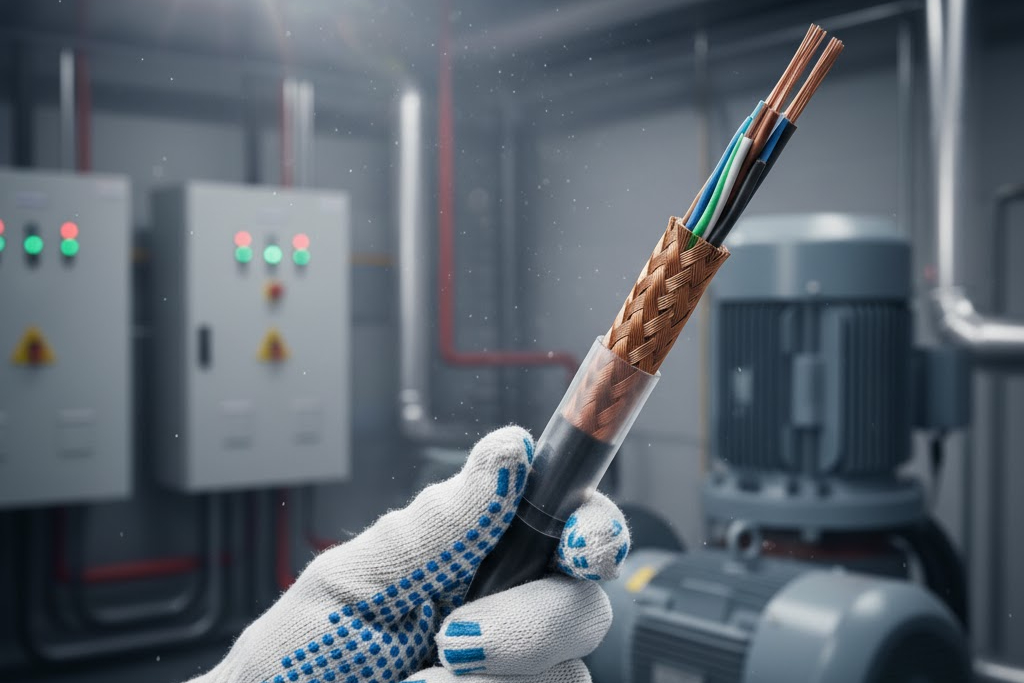
CY cable is a flexible, shielded control cable widely used where electromagnetic interference (EMI) could disrupt sensitive signals. It features multicore copper conductors, PVC or LSZH insulation, and a tinned-copper braid that guards against EMI and electromechanical noise. This combination makes cy cable ideal for industrial control, instrumentation, and audio‑visual systems.
Key Features of CY Cable
- EMI & RFI Protection: The tinned-copper braid provides excellent protection against electrical interference .
- Flexibility: Class 5 fine-stranded copper ensures cy cable bends easily yet resists frequent flexing.
- Durable Insulation: PVC or LSZH jackets safeguard against chemicals, oils, and moderate mechanical stress.
- Low‑Smoke, Halogen‑Free Options: LSZH variants reduce toxic emissions in public spaces.
- Temperature Range: Rated between –30 °C and +70 °C, with occasional flexing tolerances to –5 °C.
Applications of CY Cable
CY cable excels where signal clarity and durability matter. Common uses include:
- Industrial Automation: Ideal for PLCs, robotics and production controllers.
- Control Panels & Instrumentation: Ensures reliable data transfer in panels and measurement equipment.
- Audio‑Visual and Building Management Systems: Prevents interference in audio lines, BMS, CCTV and HVAC control.
- Mixed Cable Runs: When power and signal cables run together, cy cable prevents cross-talk.
- Temporary Outdoor Use: If shielded from UV and moisture, LSZH or PVC cy cable can be used outdoors.
How to Install CY Cable
1. Plan Your Route
Map your cable run, avoiding sharp bends (minimum 10× diameter for fixed, 20× when flexing) .
2. Choose the Right Jacket
Use LSZH in enclosed or public areas; PVC suits standard industrial settings.
3. Correct Termination
- Strip the outer sheath carefully to preserve the braid.
- Fold back braid and ground it via a metal gland or earth terminal.
- Use numbered cores for clarity.
4. Secure with Glands
Use EMC-rated cable glands to maintain shielding effectiveness.
5. Testing
After installation, continuity, earth bonding, and EMI resistance should be tested with a multimeter and suitable screening tests.
Technical Specifications of a CY Cable
Property | Typical Value |
Voltage Rating | |
Conductor Type | Class 5 fine‑stranded copper |
Insulation/Sheath | PVC or LSZH |
Screen Coverage | ≥65% tinned‑copper braid |
Temperature Range | –30 °C to +70 °C (flex –5 °C) |
Bending Radius | 10× (fixed), 20× (flexing) |
CY Cable vs Similar Types
- CY vs YY
YY cable lacks shielding and is suited to quieter environments. CY adds EMI protection via braid. - CY vs SY
SY has steel‑wire armour for mechanical protection; CY offers electrical shielding without that armour.
Choosing the Right CY Cable
When selecting a cy cable, consider:
- Voltage & Conductor Size: Match cable specs to system loads.
- Core Count: Use numbered cores for signal integrity.
- Shielding & Jacket Type: Choose LSZH vs PVC based on site requirements.
- Bending Requirements: Opt for flexible-rated cables in moving applications.
- Standards Compliance: Ensure compliance with BS EN 50525‑2‑51 or relevant IEC standards.
Frequently Asked Questions
1. What does CY stand for?
Originally CENELEC‑coded: “C” for control cable, “Y” for PVC sheath. The braid denotes tinned‑copper, not indicated in the acronym.
2. Can cy cable be buried underground?
Only if installed in a tray or conduit. Soil contact isn’t recommended without protection due to UV, moisture and mechanical wear.
3. Is cy cable suitable for robotics?
Yes. The combination of flexibility and EMI shielding makes it ideal for moving parts in industrial automation.
4. How do I terminate the braid properly?
Fold back the braid, apply an EMC-rated gland, and connect to earth.
5. What’s the difference between PVC and LSZH?
LSZH emits less smoke and no halogen in fire; it’s the safer choice in enclosed public spaces.
Conclusion
Choosing the right cable can make a significant difference to the performance and longevity of your electrical systems. CY cable offers a dependable balance of flexibility and shielding, making it a go-to option for many control and instrumentation applications. By understanding its key features, typical uses, and correct installation methods, you can ensure your projects run smoothly and with minimal interference.
