


3 core cable is a reliable solution for distributing power across residential, commercial, and industrial projects. Engineers and installers must understand the different types, applications, and installation methods to ensure safety, efficiency, and compliance with regulations. This guide explains 3 core electrical cable types, key installation considerations, and best practices for professional use.
Table of Contents
- What Is 3 Core Cable
- Types of 3 Core Cable
- Key Considerations for 3 Core Cable Installation
- Best Applications for 3 Core Electrical Cable
- Frequently Asked Questions
- Conclusion
What Is 3 Core Cable
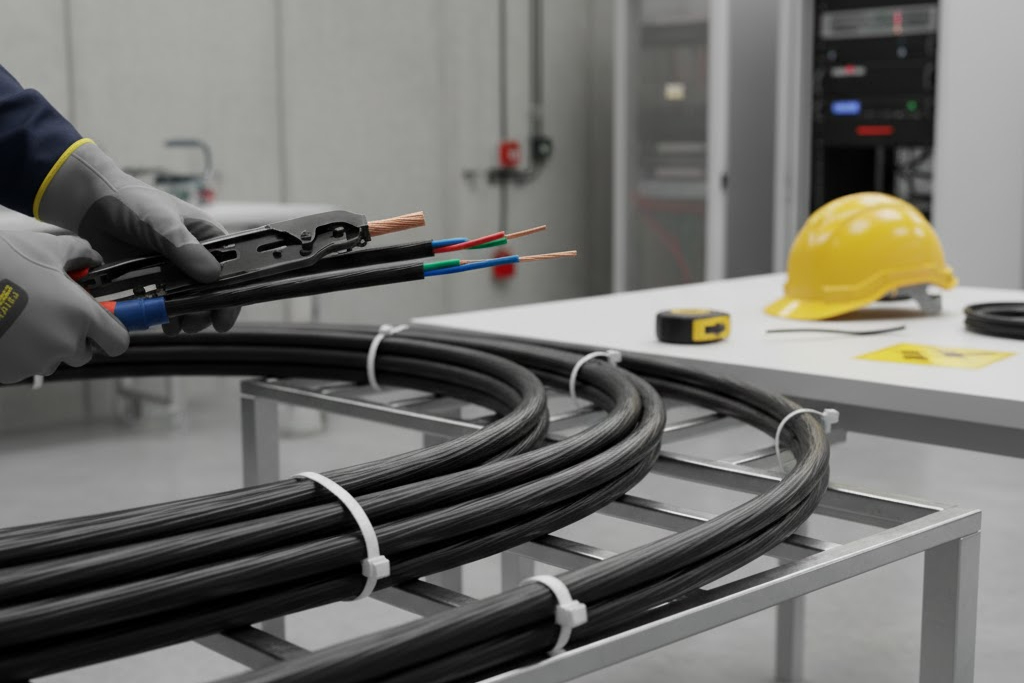
A 3 core electrical cable consists of three insulated conductors enclosed within a single outer sheath. Typically, the three conductors are color-coded to identify live, neutral, and earth connections. This design allows safe and efficient power distribution for both single-phase circuits and three-phase systems.
The versatility of a 3 core power cable makes it suitable for a variety of installations, from domestic wiring to industrial machinery connections. Choosing the correct type ensures operational reliability, prevents overheating, and reduces the risk of faults.
Types of 3 Core Cable
1. 3 Core Armoured Cable
3 core armoured cable features an additional protective layer, typically made from steel wire or aluminium. This armouring provides mechanical protection, making it ideal for installations exposed to external hazards such as underground conduits, construction zones, and industrial areas. Armoured cables resist impact, crushing, and rodent interference, while maintaining electrical performance.
These cables are also weather-resistant and can handle harsh conditions, which makes them perfect for outdoor lighting, external power distribution, and utility networks. Selecting a 3 core armoured cable ensures long-term durability and compliance with safety standards.
2. Standard 3 Core Electrical Cable
Standard 3 core electrical cable is the most common type for indoor installations. Available with PVC or LSZH sheaths, these cables offer protection against moisture, general wear, and fire-related risks. LSZH options produce low smoke and toxic emissions in case of fire, making them suitable for public spaces such as offices, schools, and commercial buildings.
These cables are versatile, cost-effective, and ideal for everyday wiring tasks. Engineers and installers can use them for lighting circuits, socket outlets, and small equipment connections where mechanical protection is not a primary concern.
3. Flexible 3 Core Power Cable
It is designed for situations requiring movement or temporary installation. Its construction uses finely stranded conductors that allow the cable to bend and flex without damaging the insulation. This flexibility is essential for temporary power setups at construction sites, workshops, or events.
These cables are also easier to handle during installation in tight spaces or when routing around obstacles. Despite their flexibility, they maintain electrical integrity, making them suitable for industrial and commercial temporary connections.
Key Considerations for 3 Core Cable Installation
1. Cable Routing and Bending
Proper cable routing and bending is essential for long-term performance. Avoid sharp bends, kinks, or tight coils, which can damage insulation and compromise electrical flow. Follow manufacturer-recommended bending radius guidelines to maintain conductor integrity. Correct routing also helps reduce installation time and ensures cables remain accessible for inspection or future maintenance.
2. Earthing and Safety
For earthing and safety, armoured cables require connection of the steel wire layer to earth. This prevents electrical faults, protects equipment, and ensures compliance with regulatory standards. Even for unarmoured cables, verifying grounding and insulation is critical to avoid risks of electric shock or short circuits. Proper earthing extends cable lifespan and enhances overall system reliability.
3. Environmental Factors
Environmental factors play a significant role in cable selection. Outdoor or underground installations require armoured, waterproof, and UV-resistant cables to withstand weather, soil pressure, and mechanical impact. Indoor installations benefit from LSZH or fire-resistant sheaths in public or enclosed spaces, reducing smoke and toxic emissions during incidents. Assessing the environment before installation is key to selecting the most suitable 3 core electrical cable.
4. Support and Fixing
Proper support and fixing of cables ensures safety and longevity. Cables should be secured neatly along trays, conduits, or brackets, avoiding excessive tension or strain at joints and terminations. Regular spacing and support points prevent sagging, reduce mechanical stress, and improve aesthetic organization in visible installations.
5. Voltage and Current Ratings
Always consider voltage and current ratings before installing 3 core power cable. Selecting a cable that exceeds the expected electrical load ensures safe operation, prevents overheating, and avoids electrical failures. Engineers and installers must evaluate system requirements carefully to match cable size, insulation type, and rating with the intended application.
Best Applications for 3 Core Electrical Cable
Residential Wiring
Used for lighting circuits, socket outlets, and general domestic power distribution, providing safe and reliable energy flow throughout homes.
Commercial Buildings
Ideal for offices, retail stores, and communal spaces, ensuring efficient and continuous power supply to appliances and systems.
Industrial Installations
Connects machinery, control panels, and three-phase equipment, supporting heavy-duty electrical demands.
Outdoor Lighting
Weather-resistant cables power streetlights, parks, and gardens, enduring exposure to sunlight, rain, and temperature fluctuations.
Underground Distribution
Armoured 3 core cables are perfect for buried installations, protecting against soil pressure, moisture, and accidental impact.
Temporary Power
Flexible 3 core cable allows easy deployment at workshops, construction sites, or events where power systems need to be moved or adjusted frequently.
Frequently Asked Questions
1. Can 3 core cable be used outdoors?
Yes, especially when using armoured or weather-resistant sheaths.
2. What is the difference between armoured and unarmoured 3 core cable?
Armoured cables offer mechanical protection; unarmoured cables are suitable for controlled indoor environments.
3. How do I choose the right 3 core cable type?
Consider voltage, current load, installation environment, and safety requirements.
4. Can 3 core cable handle three-phase systems?
Yes, it is commonly used for three-phase power distribution.
Conclusion
Choosing the right 3 core cable ensures safe and reliable power distribution for residential, commercial, and industrial projects. Consider the cable type, environment, voltage, and proper installation to prevent faults and extend lifespan. 3 core armoured cable is ideal for outdoor or heavy-duty use, while standard and flexible 3 core electrical cables are suitable for indoor or temporary setups.
Proper 3 core cable installation, including correct routing, earthing, and support, maximizes performance and meets safety standards. Selecting the right 3 core power cable for your project ensures efficient, long-lasting results.
